

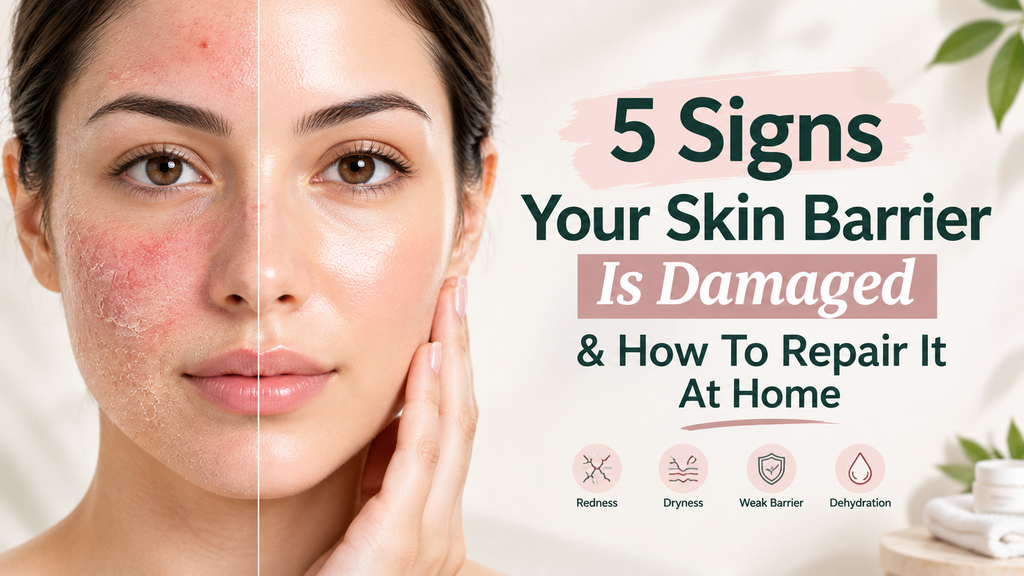
5 Signs Your Skin Barrier Is Damaged & How To Repair It At Home
Is your skin red, irritated, or burning? As a professional skin therapist, I will share 5 clear signs of a broken barrier and how to repair your skin barrier at home fast.
Buying the most expensive serums and toners won’t give you results if your skin barrier is broken. Nowadays, many people blindly follow viral social media trends and overuses harsh chemical exfoliators or strong active ingredients like Salicylic Acid and Retinol. The result? They end up stripping away their skin’s natural protective layer
As a professional skin therapist with over 8 years of hands-on experience, I see this issue almost every day. If your skin has suddenly become extremely sensitive, red, or reactive, your protective shield is likely compromised. In this expert guide, we will discuss the 5 major symptoms of a broken barrier and exactly how to repair your skin barrier at home safely.
What is a Skin Barrier?
Your skin barrier, scientifically known as the stratum corneum, is the outermost layer of your skin. Think of it as a protective brick wall. The skin cells are the bricks, and lipids (like ceramides) act as the mortar holding them together. Its main job is to lock in moisture and protect your body from external pollutants, bacteria, and UV damage. When this wall crumbles, moisture escapes, and irritants easily enter the skin.
5 Clear Signs Your Skin Barrier is Damage
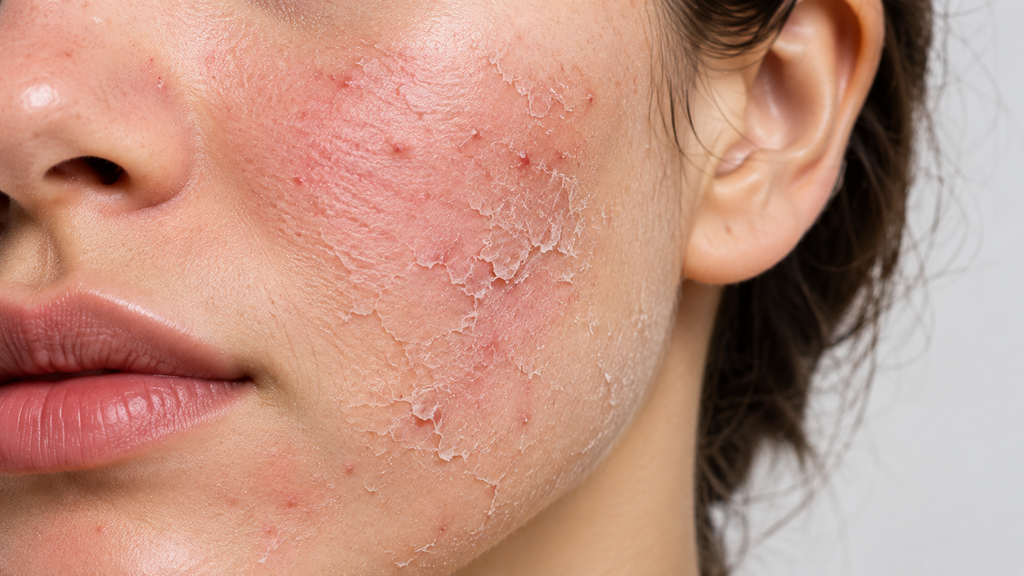
1. Chronic Redness and Irritation
If your face stays constantly red without any obvious reason, it means your barrier is inflamed. Even stepping out in mild sunlight or a slight change in weather can make your skin flush and feel irritated instantly.
2. Burning Sensation with Gentle Products
When the protective shield is broken, even your regular, everyday gentle products will start to sting. If your basic hydrating moisturizer or mild face wash causes a sharp burning or tingling sensation, your barrier is definitely compromised.
3. Dry, Flaky, and Peeling Skin
A damaged barrier suffers from transepidermal water loss (TEWL), meaning it cannot hold onto hydration. No matter how much cream you apply, your skin will feel tight, look dull, and develop dry, flaky, or peeling patches around the nose and cheeks.
4. Sudden Acne Breakouts
Since the protective wall has microscopic tears, acne-causing bacteria and environmental impurities can easily penetrate deep into the pores. This often leads to sudden acne breakouts, tiny red bumps, and frequent rashes.
5. Increased Skin Sensitivity
Your skin loses its ability to tolerate anything new. It starts reacting to minor triggers like dust, temperature shifts, or synthetic fragrances, leaving you with constant itchiness and discomfort.
How to Repair Your Skin Barrier at Home

The good news is that you can easily repair your skin barrier at home with proper care. It typically takes about 2 to 4 weeks for the skin to heal completely. Here are the essential steps you must follow:
1. Strip Down Your Skincare Routine
First and foremost, immediately stop using all active ingredients and chemical exfoliants. Pause your Vitamin C, Retinol, Salicylic Acid, and Glycolic Acid toners. Your skin needs a complete break from harsh treatments to rebuild itself.
2. Switch to a Gentle, Hydrating Cleanser
Avoid foaming face washes that strip your skin of its natural oils. Instead, switch to a non-foaming, soap-free, and fragrance-free cleanser that cleanses without disrupting the moisture levels.
3. Choose Barrier-Repairing Ingredients

When choosing a moisturizer, look for specific ingredients that actively support healing. Focus on Ceramides (which mimic skin’s natural lipids), Hyaluronic Acid & Glycerin (for deep hydration), and soothing agents like Centella Asiatica (Cica) or Aloe Vera to calm redness.
4. Never Skip Sunscreen
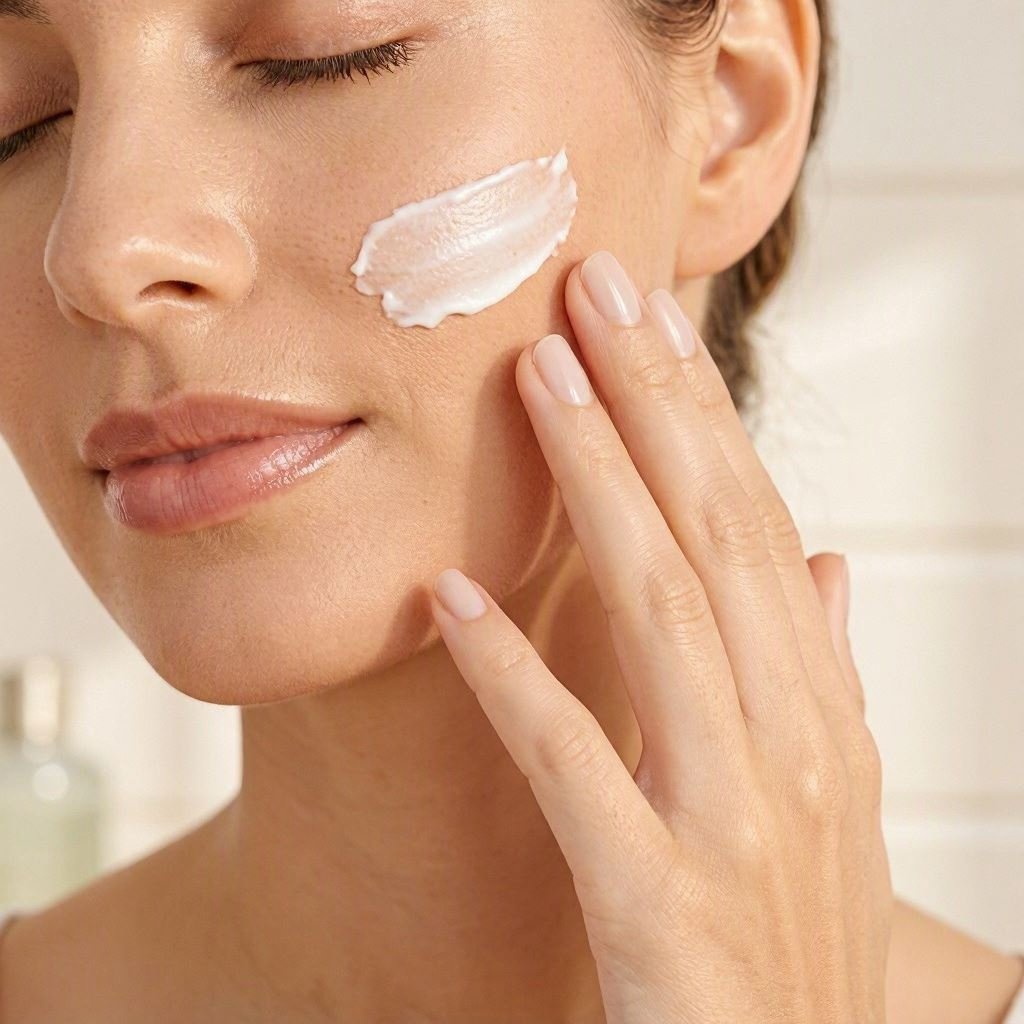
UV rays cause immense damage to a compromised skin barrier. Always apply a broad-spectrum sunscreen during the day. It is highly recommended to use a physical or mineral sunscreen (containing Zinc Oxide) because chemical sunscreens might irritate raw skin.
Conclusion

To repair your skin barrier, practicing patience and sticking to a minimalist routine is key. More importantly, a damaged skin barrier often happens when we either use products that do not match our specific skin type or misuse overly strong active products. Therefore, knowing your exact skin type is absolutely essential before buying skincare. Along with the basic Cleanser-Moisturizer-Sunscreen (CMS) routine, eating a healthy, nutrient-rich diet is also vital for inner healing. Remember, healthy skin is a beautiful journey, not an overnight miracle!
Disclaimer: The information provided in this article is for educational purposes only and should not be taken as professional medical advice. Always consult a dermatologist or skin care expert before starting any new active chemical products.





10 Comments