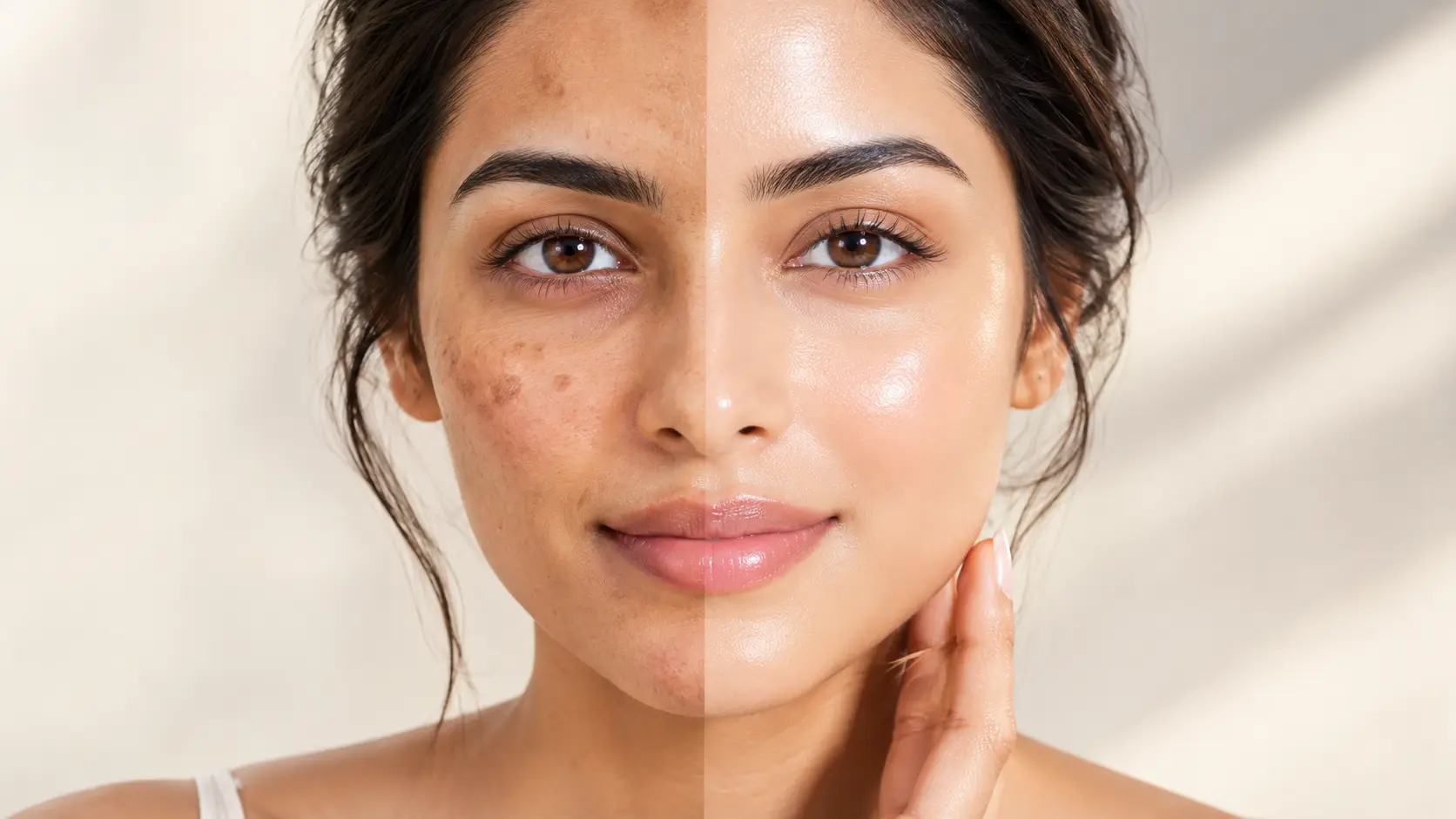
How to Treat Hyperpigmentation and Fix Uneven Skin Tone: 5 Steps
Have you been layer after layer of potent acids and retinoids on your face, only to find your dark spots getting darker and your face turning red? The harsh truth is that learning how to treat hyperpigmentation effectively requires a healthy, resilient skin barrier first. If you are constantly chasing an even complexion with aggressive scrubs and high-percentage peeling solutions, you might unknowingly be doing more harm than good. In this science-backed guide, we will break down how to safely fade stubborn dark spots and fix an uneven skin tone without stripping away your skin’s natural protective shield.
What Actually Causes Hyperpigmentation?
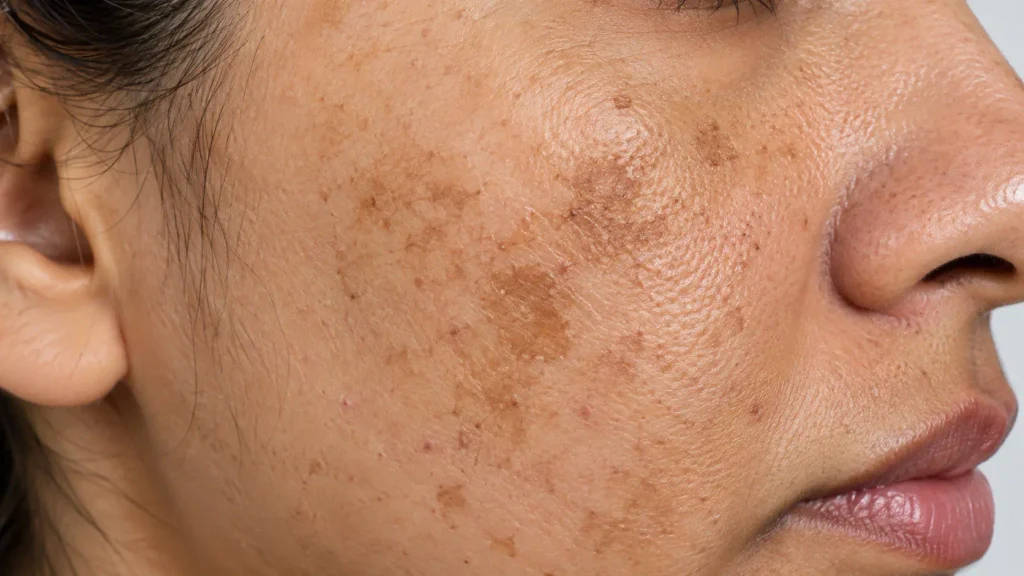
To fix the problem, we must first understand why it happens. Hyperpigmentation occurs when your skin overproduces melanin, the natural pigment that gives your skin its color. When your skin cells are triggered by external factors like harmful UV rays, hormonal fluctuations, or inflammation from acne, they go into defense mode. To protect your skin, these cells release excess melanin, which clusters together and forms stubborn dark spots and an uneven skin tone. However, the biggest mistake people make when figuring out how to treat hyperpigmentation is aggressively scrubbing these spots. This creates micro-tears, worsens inflammation, and triggers even more melanin production, damaging your skin barrier in the process.
Understanding the Root Cause: Why Does Hyperpigmentation Happen?
Before diving into how to treat hyperpigmentation, it is essential to understand why it occurs in the first place. At the core of every dark spot, sun spot, or patches of uneven skin tone is a natural pigment called melanin. Melanin is produced by specialized skin cells called melanocytes, which act as your skin’s natural defense system. When your skin is triggered by external stressors—such as ultraviolet (UV) radiation from the sun, hormonal fluctuations, or inflammation from an acne breakout—these melanocytes go into overdrive. They produce an excess amount of melanin to protect the skin from damage. This localized overproduction of pigment is what eventually rises to the surface, creating visible hyperpigmentation. Therefore, if your skin barrier is compromised, these cells become hyper-reactive, making your dark spots even more stubborn to fade.

The 5-Step Solution:Step 1: Repair and Strengthen Your Skin Barrier First
The most crucial step in learning how to treat hyperpigmentation without causing further damage is to prioritize your skin barrier. When your protective outer layer is compromised due to over-exfoliation or harsh ingredients, your melanocytes become hyper-reactive and produce more dark spots. To reverse this, you must temporarily pause all aggressive active acids, vitamin C, and retinoids. Instead, strip your routine back to a gentle, hydrating cleanser and a rich moisturizer packed with barrier-repairing ingredients like Ceramides, Fatty Acids, and Ectoin. By building a strong and resilient foundation first, you soothe ongoing inflammation, which automatically calms down excess melanin production and prepares your skin to safely handle targeted brightening treatments later.
Step 2: Choose Gentle, Barrier-Safe Brightening Actives
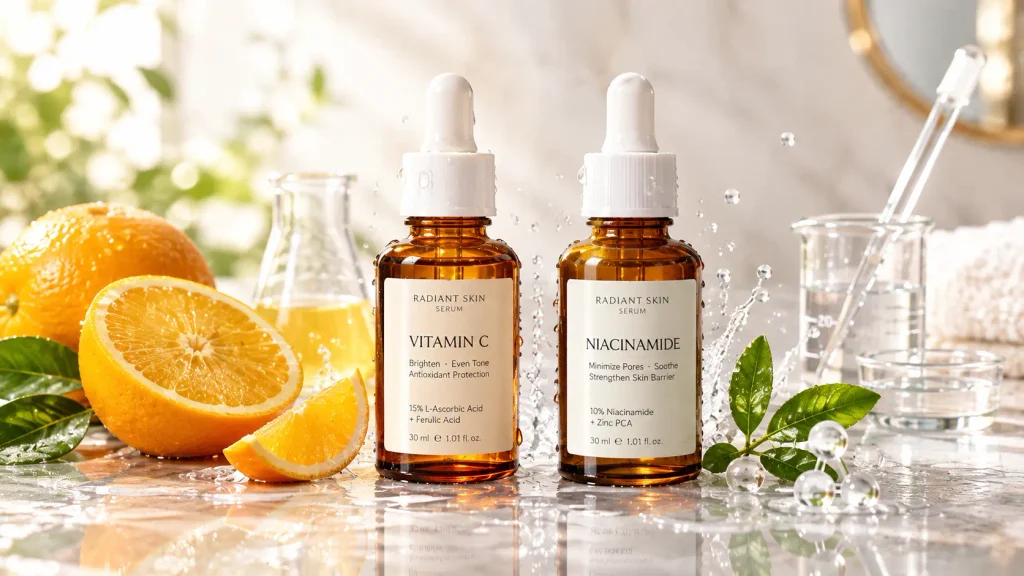
Once your skin barrier is stable, you can safely introduce targeted treatments. If you want to know how to treat hyperpigmentation without causing inflammation, the secret lies in choosing tyrosinase inhibitors that block melanin production gently. Instead of using high-percentage, irritating peeling solutions, opt for nourishing serums formulated with Niacinamide, Alpha Arbutin, Kojic Acid, or Tranexamic Acid. Niacinamide is exceptionally brilliant here because it not only prevents pigment transfer to skin cells but also stimulates ceramide production, reinforcing your skin barrier. Introduce these actives slowly into your routine—perhaps every alternate night—to ensure your skin tone becomes evenly radiant without triggering any underlying redness or barrier relapse.
Quick Guide: Best Gentle Actives for Hyperpigmentation
| Ingredient | Main Benefit | Skin Type Match |
| Niacinamide | Calms inflammation & barrier repair | All Skin Types (Safe for Sensitive) |
| Alpha Arbutin | Fades stubborn sun/dark spots | Normal to Oily Skin |
| Tranexamic Acid | Treats deep redness & PIE | Combination & Reactive Skin |
Step 3: Never Skip Broad-Spectrum Sunscreen
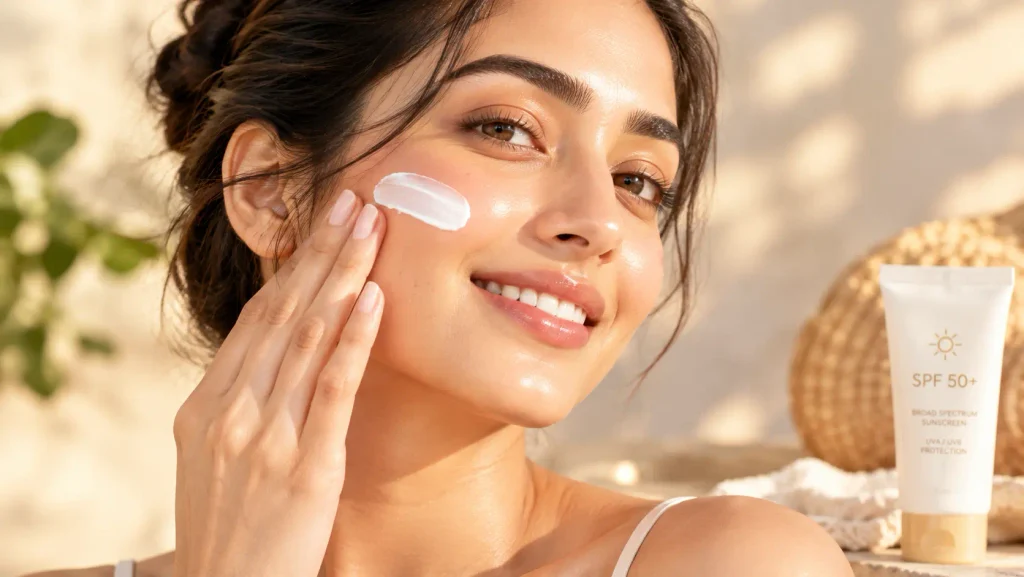
You can buy the most expensive serums in the world, but if you do not protect your face from the sun, you cannot master how to treat hyperpigmentation. Ultraviolet (UV) rays are the ultimate triggers that wake up your pigment-producing cells. Even minimal sun exposure can instantly undo weeks of brightening treatments and darken your uneven skin tone. To protect both your healing skin barrier and faded dark spots, apply a generous amount of broad-spectrum sunscreen with SPF 30 or higher every single day, rain or shine. If your skin is easily irritated or inflamed, look for mineral sunscreens containing Zinc Oxide or Titanium Dioxide, as they sit gently on top of the skin and reflect UV rays away without causing any burning or irritation.
Step 4: Safely Accelerate Skin Cell Turnover
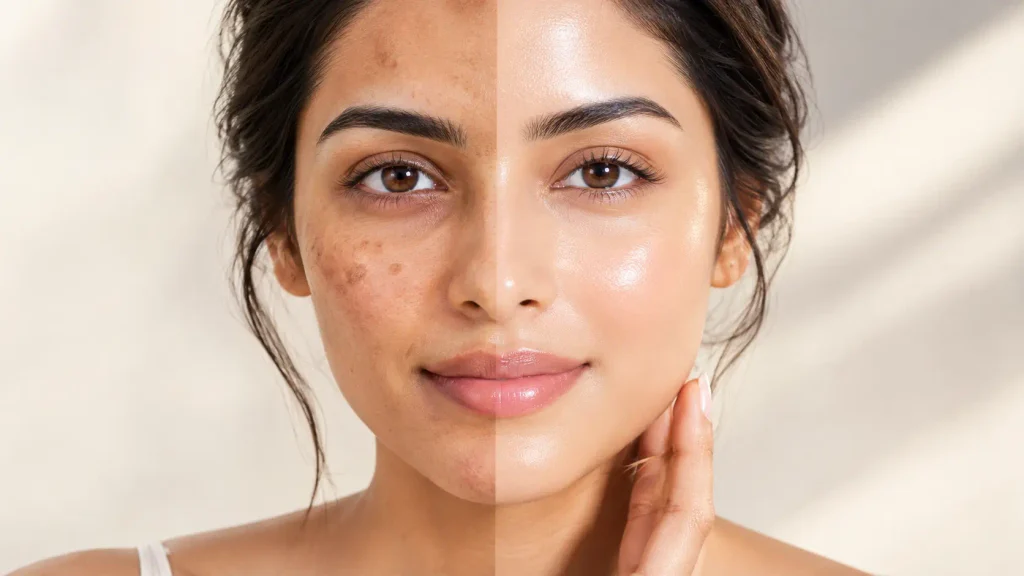
To completely fade dark spots, your skin needs to shed its old, pigmented cells and replace them with fresh, healthy ones. When exploring how to treat hyperpigmentation, increasing cell turnover is key, but it must be done without breaking your skin barrier. Instead of using raw, high-percentage glycolic acid peels that cause burning, opt for gentle chemical exfoliants like Mandelic Acid or PHAs (Polyhydroxy Acids). Mandelic acid has a larger molecular size, meaning it penetrates the skin slowly and carefully, making it incredibly safe for sensitive or compromised skin. Alternatively, look into Retinol alternatives like Bakuchiol or PDRN to stimulate cell renewal. By safely encouraging your skin to renew itself, you will notice stubborn discoloration fading away much faster, leaving behind a smooth and luminous complexion.
Step 5: Maintain Consistency and Practice Patience
The final and most overlooked rule of how to treat hyperpigmentation is understanding that real, lasting results take time. Hyperpigmentation is formed in the deeper layers of the skin, meaning those dark spots did not appear overnight, and they certainly will not vanish in a week. Constantly switching products out of frustration or adding more potent formulas will only re-irritate your skin barrier and reset your progress. True skin longevity and clarity come from a disciplined, consistent routine. Stick to your barrier-safe brightening actives and your daily sunscreen for at least 8 to 12 weeks. By practicing patience and letting your skin heal at its natural biological pace, you will safely achieve a beautifully balanced, even skin tone that lasts.
Final Thoughts: Prioritize Healing for Lasting Clarity
Fading stubborn dark spots doesn’t require aggressive peeling solutions that leave your face red and raw. When mastering how to treat hyperpigmentation, the smartest approach is to heal your skin barrier first. By cooling down inflammation, choosing gentle actives like Niacinamide, and committing to daily sunscreen, you allow your skin to repair itself from within. Skincare is a journey of patience, not a race. Give your skin the time and protection it needs, and you will achieve a healthy, luminous, and beautifully even complexion that lasts.
Our Top Recommended Barrier-Safe Brightening Serums
If you want to treat hyperpigmentation safely without triggers, choosing the right formulation is everything. Here are the top three dermat-approved, budget-friendly serums available in India that treat uneven skin tone while keeping your skin barrier completely safe:
• Minimalist 10% Niacinamide Serum: This is an absolute holy grail for beginners. It features a lightweight formula packed with pure Niacinamide and Aloe Vera to soothe active redness while slowly fading stubborn acne marks.
• The Ordinary Alpha Arbutin 2% + HA: Perfect for targeting highly concentrated dark spots and sun damage. The added Hyaluronic Acid ensures your skin stays deeply plump and hydrated throughout the clearing process.
• Deconstruct Brightening Serum (10% Niacinamide + 2% Alpha Arbutin): A powerful dual-action blend that prevents melanin transfer while brightening your complexion from within, making it exceptionally fast-acting yet gentle.
Frequently Asked Questions About Hyperpigmentation
Q1. What is the fastest way to fade hyperpigmentation?
The fastest way to fade hyperpigmentation is a combination of consistent topical treatments and professional skin solutions. While dermatologists often recommend chemical peels and laser therapy for quick results, a safe over-the-counter approach includes using daily broad-spectrum sunscreen alongside targeted serums. Ingredients like Alpha Arbutin, Kojic Acid, and Niacinamide effectively disrupt melanin production pathways at multiple levels, leading to a visibly clearer complexion within 8 to 12 weeks without harming your skin barrier.
Q2. Can hyperpigmentation be cured completely?
Yes, most types of hyperpigmentation, such as dark spots left behind by acne (Post-Inflammatory Hyperpigmentation) and sun damage, can be completely faded over time with proper skincare. However, conditions like Melasma, which are deeply driven by internal hormonal fluctuations, cannot be permanently “cured”. Melasma can only be managed and kept under control through strict sun protection and barrier-safe brightening ingredients.
Q3. Does drinking water help with hyperpigmentation?
While drinking water is vital for your overall health and helps maintain general skin hydration and longevity, it cannot directly fade hyperpigmentation or remove dark spots. Hyperpigmentation is caused by an overproduction of melanin in the deeper layers of the skin, triggered by UV damage, acne, or hormones. To treat it successfully, you must address the root cause externally using targeted brightening active ingredients and everyday sunscreen protection.
Q4. Why is my hyperpigmentation getting darker even though I am using serums?
If your dark spots are getting darker despite your routine, it is usually due to a damaged skin barrier or inadequate sun protection. Using high-percentage active acids too frequently can create micro-tears and cause underlying inflammation, which triggers melanocytes to produce even more melanin as a defense mechanism. Additionally, if you are using brightening serums but skipping sunscreen, UV rays will instantly darken the spots and reverse all your progress.
Medical Disclaimer
Disclaimer: The information provided in this article is for educational and informational purposes only and should not be treated as professional medical advice, diagnosis, or treatment. Always consult with a board-certified dermatologist or qualified healthcare provider before introducing new active ingredients or altering your skincare routine, especially if you have a compromised skin barrier or underlying medical conditions.