
Ectoin vs Hyaluronic Acid: Why This Viral Ingredient is the Ultimate Solution for a Damaged Skin Barrier(2026)

When looking at the big debate of Ectoin vs Hyaluronic Acid, if you have been scrolling through TikTok or Instagram lately, you have likely noticed a massive shift in the skincare world. The global obsession with a blinding, overly-dewy “Glass Skin” look is slowly making way for a new priority: skin longevity and barrier health. For years, Hyaluronic Acid has reigned as the undisputed holy-grail ingredient for hydration. Every serum, moisturizer, and toner seemed to pack it in.
But as a professional skin therapist with over 8 years of hands-on experience, I am seeing a massive wave of clients walking into my clinic with red, irritated, and compromised skin. The culprit? Over-exfoliation and the blind pursuit of viral trends. This brings us to the biggest skincare showdown of 2026: Ectoin vs Hyaluronic Acid. While Hyaluronic Acid is great for a temporary plumping effect, a new viral biotech ingredient called Ectoin is proving to be the ultimate savior for a damaged skin barrier.
What is a Damaged Skin Barrier and Why is Everyone Struggling With It?
Your skin barrier (the stratum corneum) is your body’s frontline defense. Think of it as a brick wall where your skin cells are the bricks and lipids (like ceramides) act as the mortar. A healthy barrier locks moisture in and keeps environmental aggressors, bacteria, and pollution out.
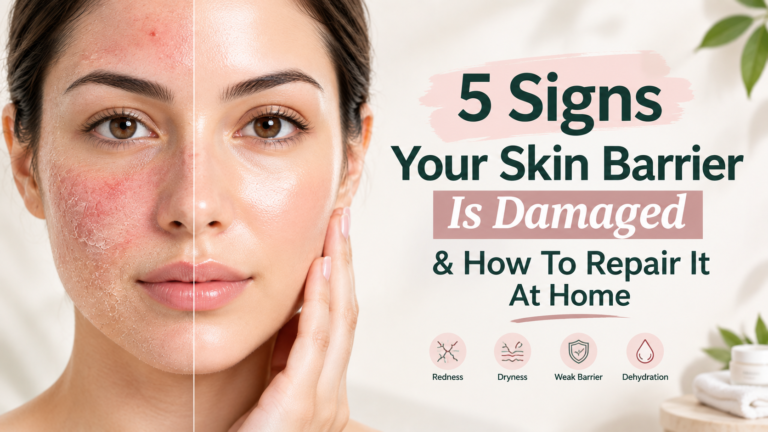
However, when you overuse harsh chemical peels, strong retinoids, or layer too many active acids at once, this protective shield cracks. Moisture rapidly evaporates, leading to Transepidermal Water Loss (TEWL). The classic signs of a damaged skin barrier include persistent redness, a burning sensation when applying basic products, dry flaky patches, and sudden breakouts. To fix this, you don’t just need surface-level hydration; you need an ingredient that stabilizes and protects the skin cells at a microscopic level.
The Limitations of Hyaluronic Acid for Barrier Repair
Don’t get me wrong: Hyaluronic Acid (HA) is a fantastic humectant. It can hold up to 1,000 times its weight in water, pulling moisture from the air into your skin. However, HA is a one-trick pony. It only hydrates; it does not repair or protect.
In fact, if you live in a dry or air-conditioned environment and your skin barrier is already compromised, Hyaluronic Acid can actually backfire. Because there is no humidity in the air, HA starts pulling water from the deeper layers of your skin to hydrate the surface. Without a strong barrier to lock that water in, it simply evaporates into the air, leaving your skin drier and more irritated than before.
Enter Ectoin: The Ultimate Extremolyte Shield

This is where Ectoin changes the game. Discovered in desert microorganisms and salt lakes, Ectoin is an “extremolyte”—a natural molecule that protects these micro-organisms from surviving extreme UV radiation, severe dryness, and freezing temperatures.
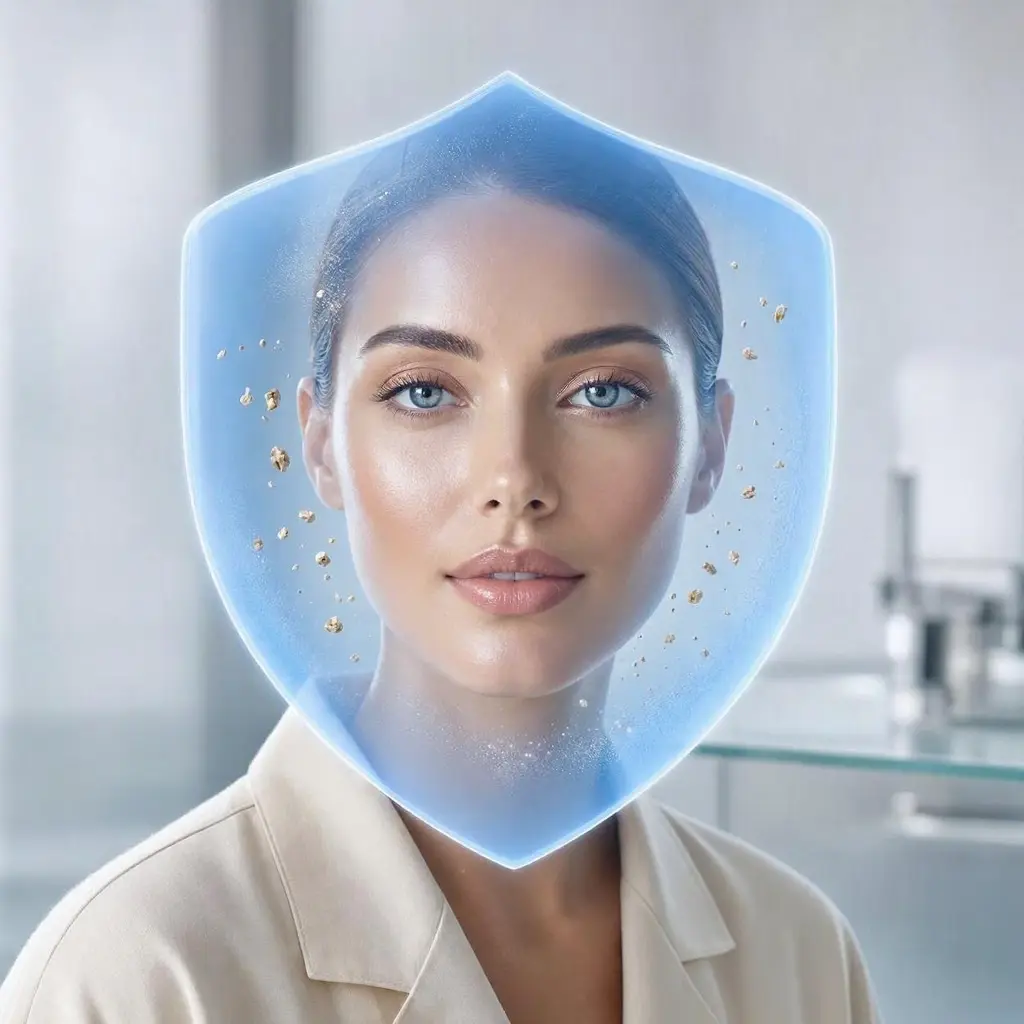
When applied to human skin, Ectoin acts like a biological shield. Instead of just binding water like Hyaluronic Acid, Ectoin forms a highly stable Ectoin-Hydro Complex around skin cells and proteins. It wraps your cells in a protective water jacket. This structural shield stops environmental stressors (like PM2.5 pollution and blue light) from causing inflammation, immediately halting the cycle of barrier degradation.
Ectoin vs Hyaluronic Acid: The Core Differences
To truly understand the showdown of Ectoin vs Hyaluronic Acid and why Ectoin is the superior choice for a damaged skin barrier, let’s look at how they compare side-by-side:
- Mechanism: Hyaluronic Acid binds water to the skin surface. Ectoin surrounds skin cells with a protective water shell, stabilizing the cell membrane.
- Environmental Protection: Hyaluronic Acid offers zero protection against pollution or UV stress. Ectoin actively shields the skin from PM2.5 pollution, blue light, and oxidative stress.
- Soothing Properties: Hyaluronic Acid can sometimes sting on raw, broken skin. Ectoin is highly anti-inflammatory, clinically proven to reduce redness and soothe eczema-prone skin.
- Longevity: Hyaluronic Acid provides temporary plumbing that washes away. Ectoin repairs the underlying barrier structure for long-term health.
🛍️ Top Ectoin Products to Heal Your Skin Barrier (Global & Indian Options)
If you are ready to swap your Hyaluronic Acid for the protective shield of Ectoin, here are the top-rated products to look for, depending on where you are shopping from:
🌐 Best For USA & Global Audiences:
- The Inkey List Ectoin Hydro-Barrier Serum: A brilliant, lightweight serum designed specifically for intense environmental protection and repairing compromised skin barriers. (Perfect for US readers via Amazon/Sephora)
- Paula’s Choice 7% Ectoin Resurfacing Treatment: A premium, highly concentrated formulation meant for severe barrier damage and slow-aging benefits.
🇮🇳 Best Indian Alternatives & Dupes (Easily Available in India):
- Juicy Chemistry 10% Niacinamide + 2% Ectoin Serum: A fantastic Indian organic alternative to high-end global serums. It pairs Ectoin with Niacinamide to calm redness and fade acne marks simultaneously.
- Deconstruct Acne Control Moisturizer (with Ectoin & Ceramides): An excellent budget-friendly dupe for lightweight barrier repair. This gel-moisturizer is perfect for oily or acne-prone skin types struggling with a damaged barrier.
- The Formularx Hydra Veil Barrier Care Gel: A highly viral Indian skincare favorite that beautifully blends Ectoin, Hyaluronic Acid, and Ceramides to immediately soothe irritated skin
A Skin Therapist’s Verdict: How to Use Ectoin for Fast Barrier Repair
The ultimate conclusion of the Ectoin vs Hyaluronic Acid comparison is simple: if your skin barrier is currently stinging, red, or flaking, it is time to put your Hyaluronic Acid serums away temporarily and introduce an Ectoin-based product into your daily routine. Here is a simple, therapist-approved routine to repair your barrier at home:

- Cleanse Gently: Use a non-foaming, milk-based cleanser to avoid stripping your natural lipids.
- Apply Ectoin: Apply an Ectoin serum or cream on slightly damp skin. Look for formulations containing 1% to 7% Ectoin (brands like The Ordinary and The Inkey List have excellent modern formulations).
- Lock it In: Layer a rich ceramide-based cream on top to lock in the moisture matrix created by Ectoin.
- Sun Protection: Never skip a mineral sunscreen during the day, as a damaged barrier is highly vulnerable to hyperpigmentation.
Can you use them together? Yes! Once your skin barrier is fully healed, layering Hyaluronic Acid for surface plumpness followed by Ectoin for deep-cell protection is the ultimate power-couple routine for glowing skin
Conclusion
In the ultimate battle of Ectoin vs Hyaluronic Acid, while HA will always have a place in the hydration hall of fame, it cannot fix a broken foundation. When it comes to healing, protecting, and reversing a damaged skin barrier, Ectoin is the undisputed champion.
Medical Disclaimer: The information provided in this article is for educational and informational purposes only and should not be considered as professional medical advice. Always consult with a qualified dermatologist or skincare professional before introducing new active ingredients into your routine, especially if you have an active skin condition or a severely compromised skin barrier.

One Comment