
How to Get Rid of Hyperpigmentation on Skin: A Skin Therapist’s Guide (2026)
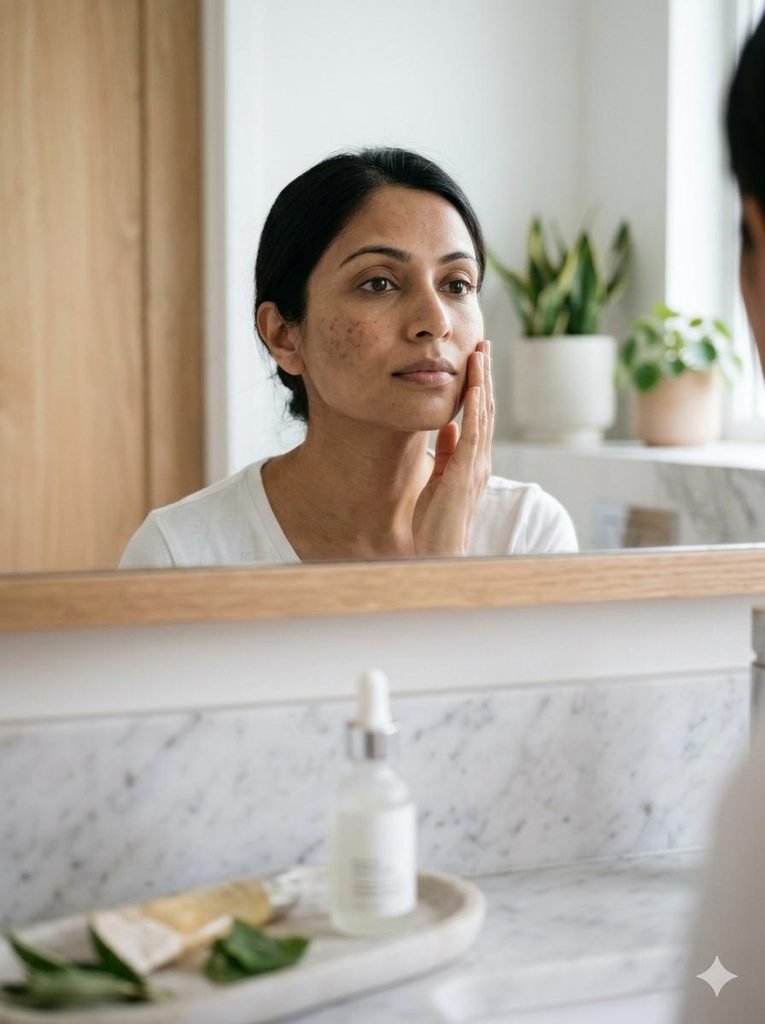
If you want to know how to get rid of hyperpigmentation on skin, waking up to notice uneven dark spots or stubborn patches can be incredibly frustrating. If you are struggling with skin discoloration, you are definitely not alone. Hyperpigmentation is one of the most common skincare concerns globally, affecting millions of individuals across all skin types.
As a professional skin therapist, I often see clients who feel overwhelmed by viral social media trends and overly complicated routines. However, clearing your complexion does not require a 10-step miracle product. Instead, it requires a deep understanding of what triggers your skin cells and a consistent, scientifically backed approach. In this comprehensive expert guide, we will break down exactly how to get rid of hyperpigmentation on skin safely and effectively, helping you regain your natural, radiant glow.
What is Hyperpigmentation and How Does It Happen?
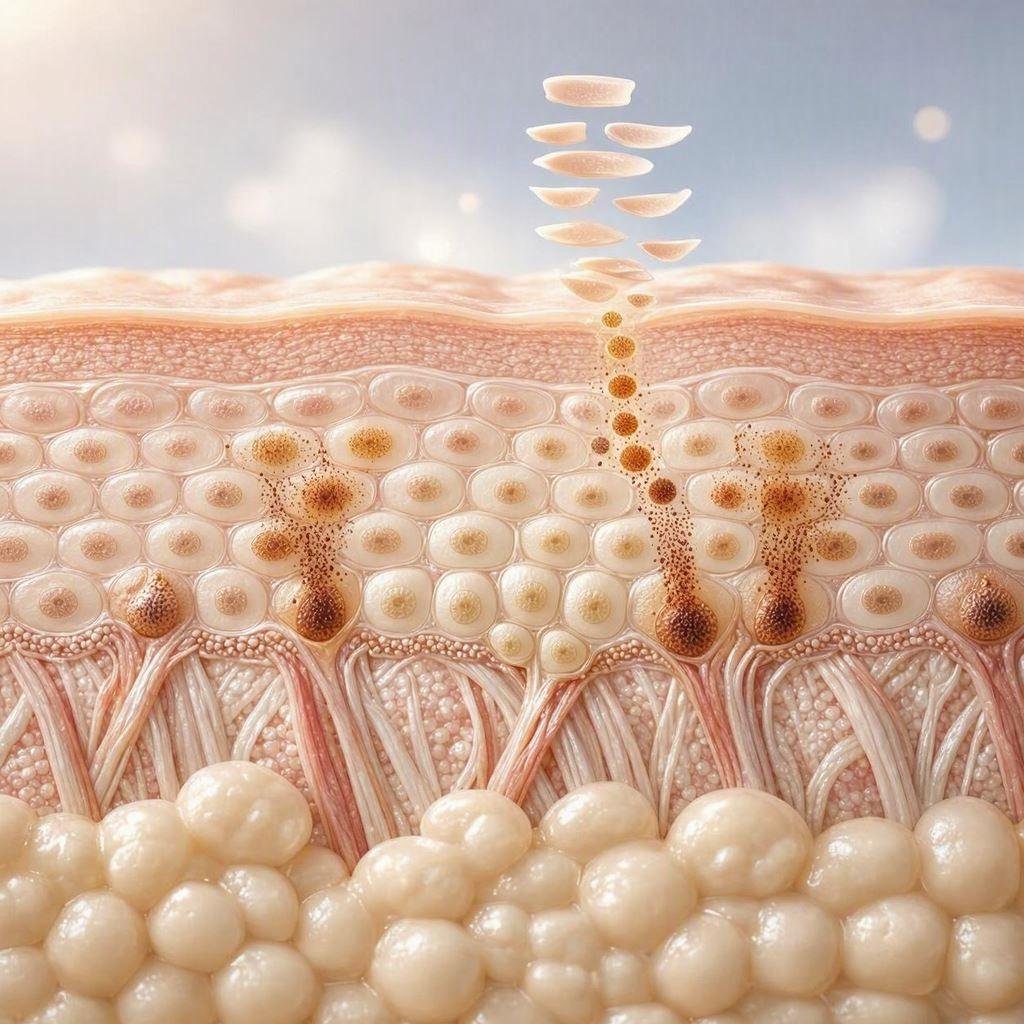
To effectively treat dark spots, we first need to understand the science behind them. Hyperpigmentation is not a disease; it is a condition where the skin produces an excess of melanin. Melanin is the natural pigment responsible for giving our skin, hair, and eyes their color.
When your skin cells become damaged, irritated, or stimulated by external factors, special cells called melanocytes go into overdrive. They begin to produce too much melanin in specific areas, creating localized dark patches or an uneven skin tone. Think of it as your skin’s defense mechanism. Whenever the skin senses harm, it throws a shield of melanin over that area to protect itself. While this process is natural, it leaves behind those stubborn marks that we constantly try to fade.
Main Causes of Hyperpigmentation on the Skin
Hyperpigmentation doesn’t just appear overnight out of nowhere. There are specific triggers that signal your skin to produce excess melanin. Understanding your specific cause is crucial because treating sun damage requires a different approach than treating acne scars. Here are the three primary causes:
1. Sun Exposure and UV Damage
The sun is the single biggest trigger for hyperpigmentation. Ultraviolet (UV) rays stimulate your melanocytes to produce melanin as a way to shield your skin from burning. Continuous exposure to the sun without protection leads to sunspots, age spots, and worsens any existing discoloration.
2. Post-Inflammatory Hyperpigmentation (PIH)
If you have ever noticed a dark mark left behind after a pimple, bug bite, or skin injury heals, that is Post-Inflammatory Hyperpigmentation. When the skin experiences inflammation or trauma, it triggers melanin production during the healing process. This is incredibly common in acne-prone skin types.
3. Hormonal Triggers (Melasma)
Often referred to as the “mask of pregnancy,” hormonal fluctuations are a major internal cause of pigmentation. Changes in estrogen and progesterone levels—due to pregnancy, birth control pills, or high stress levels—can trigger melasma. This typically appears as symmetrical, larger dark patches on the cheeks, forehead, and upper lip.

Key Skincare Ingredients That Actually Fade Dark Spots
When looking for how to get rid of hyperpigmentation on skin, you cannot just rely on basic cleansing. You need targeted active ingredients that either slow down melanin production or speed up cell turnover to shed the pigmented skin cells. Here are the gold-standard ingredients you should look for in your skincare products:
- Vitamin C (Ascorbic Acid): A powerful antioxidant that inhibits the tyrosinase enzyme, preventing melanin synthesis. It brightens the skin tone and fades existing dark spots effectively.
- Alpha Arbutin: A safe, plant-derived ingredient that naturally reduces melanin production. It is highly effective for reducing acne scars and sun damage without causing skin irritation.
- Niacinamide (Vitamin B3): Unlike other ingredients, Niacinamide doesn’t stop melanin production; instead, it prevents the transfer of melanin to the outer layer of the skin, keeping your complexion even.Niacinamide is also amazing for repairing your skin. If you want to know more, read our expert guide on 5 Signs Your Skin Barrier Is Damaged.
- Chemical Exfoliants (AHAs/BHAs): Ingredients like Glycolic Acid or Salicylic Acid gently dissolve dead skin cells, helping the pigmented cells fade away much faster.
Top Recommended Products to Treat Hyperpigmentation (Budget vs. Luxury)
Choosing the right topical treatment is a crucial step when you want to know how to get rid of hyperpigmentation on skin safely. To make it easier for you, we have categorized the top anti-pigmentation products into budget-friendly essentials and premium high-end treatments.
The Best Budget-Friendly Options
- Minimalist Alpha Arbutin 2% + Hyaluronic Acid: An absolute holy grail for anyone looking for an affordable yet powerful solution. This serum combines the melanin-inhibiting strength of Alpha Arbutin with intense hydration, safely fading dark spots without drying out the skin.
- The Derma Co 2% Kojic Acid Serum: Formulated with a potent blend of Kojic Acid and Alpha Arbutin, this budget-friendly Indian drugstore favorite is excellent for targeting stubborn sun damage and post-acne marks.
The Best Premium & High-End Options (If You Want to Splurge)
- The Ordinary Niacinamide 10% + Zinc 1%: A globally acclaimed, mid-range superstar that is highly popular in both the USA and India. It is highly effective at slowing down melanin transfer and refining skin texture.
- La Roche-Posay Mela B3 Serum: If you are willing to invest in a luxury skincare product, this is the ultimate viral treatment. Powered by Melasyl, a newly patented breakthrough molecule, it rapidly corrects severe discoloration and uneven skin tone.
Quick Note from the Skin Therapist
Please remember that the global skincare market is filled with thousands of amazing formulations. While the four products mentioned above are my top expert recommendations based on clinical results, they are not the only options. Every individual’s skin chemistry is unique. If you are already using a different trusted brand that suits your skin types and shows positive results, feel free to stick with it! The key is to look for the right active ingredients, not just the brand name.
Conclusion & A Skin Therapist’s Golden Rule
Learning how to get rid of hyperpigmentation on skin is a journey that requires consistency and patience. Pigmented skin cells do not fade overnight; it typically takes about 4 to 6 weeks of dedicated routine to see a visible transformation.
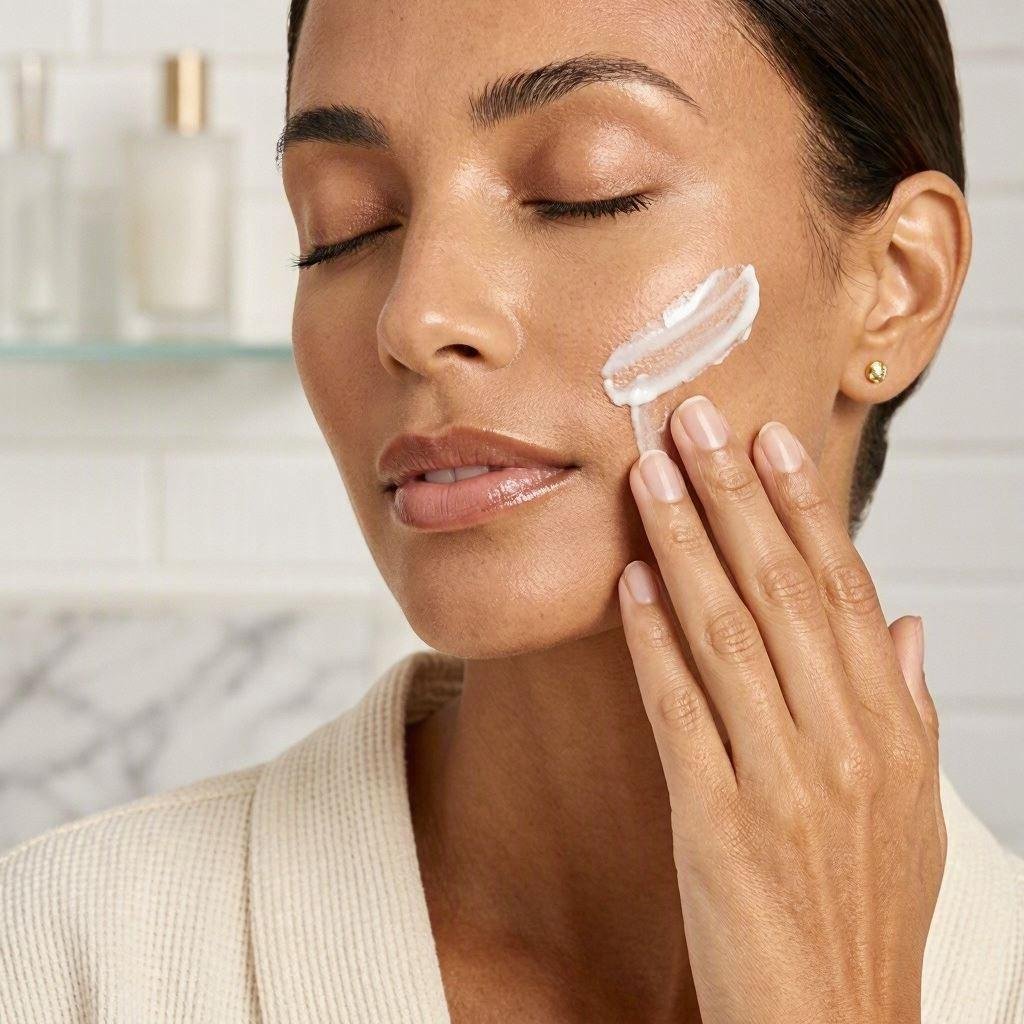
You can never truly learn how to get rid of hyperpigmentation on skin if you completely skip daily sun protection. UV rays are the number one cause of skin discoloration. Applying a broad-spectrum SPF 30 or higher every single day, even when indoors or on cloudy days, is non-negotiable. Protect your skin barrier, stay consistent with your chosen actives, and your natural, radiant glow will eventually surface.



One Comment