
Understanding Your Skin: A Complete Guide to Skin Theory and Layers
Welcome to Skin Studio by Dimple, where we break down the essentials of skin theory and layers to help you achieve a healthy glow.”

As a professional skin therapist with over 8 years of hands-on experience in the beauty industry, I have spent thousands of hours analyzing different skin types.
Throughout my journey, I have realized that true skin health doesn’t come from applying random skincare products; it comes from understanding your skin and the actual science behind it.Unfortunately, many women spend their hard-earned money buying expensive, trending cosmetics without knowing if their skin barrier actually needs them.
My mission with this platform is two-fold: first, to empower women by providing them with the exact knowledge they need to make smart, confident choices for their bodies. Second, to provide honest, unfiltered product reviews so you never waste money on marketing gimmicks again.
Alongside skincare, this blog will also feature strong articles dedicated to women’s empowerment, because a woman who is confident in her own skin can change the world. To kickstart this educational journey, this very first article will dive deep into the fundamentals of skin theory and layers so you can finally understand the complex anatomy working beneath the surface to keep you glowing.
A Complete Guide to Understanding Your Skin Theory and Layers
The Epidermis: Your Skin’s Outer Shield
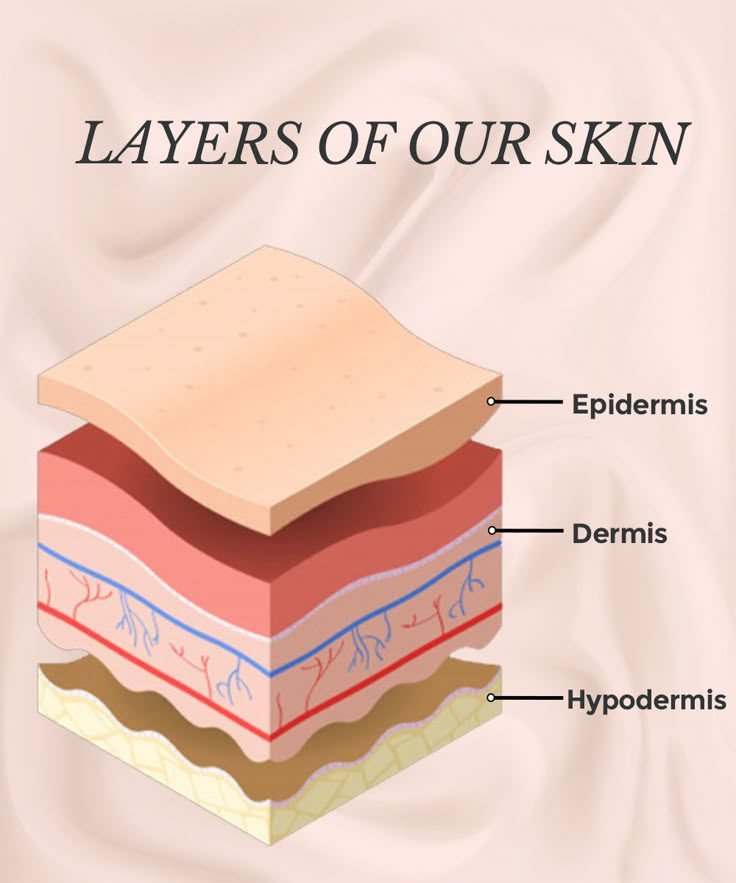
The first layer we must understand in skin theory and layers is the Epidermis. This is the outermost layer of your skin that you can see and touch. Think of it as your body’s personal shield. Its primary job is to protect you from environmental damage, bacteria, and UV rays, while locking in moisture so your skin doesn’t dry out. As a skin therapist, I always tell my clients that a glowing face starts with a healthy epidermis. If this outer layer is damaged by harsh chemicals or the wrong products, your skin will immediately become sensitive, red, or prone to breakouts.
Inside the epidermis, an incredible scientific process called cellular turnover takes place. Your skin naturally sheds dead cells and replaces them with fresh, new cells every 28 to 45 days. However, as we age, this natural cycle slows down, which can leave the skin looking dull, rough, and uneven. This is exactly where professional skin treatments and correctly chosen products come into play. When doing product reviews on this blog, I will teach you how to look for ingredients that safely speed up this cell renewal process without stripping your skin barrier.

The Dermis: The Structural Engine Room
Right beneath the surface lies the second crucial part of skin theory and layers, known as the Dermis. If the epidermis is the shield, the dermis is the engine room of your skin. This layer is much thicker and houses the structural support system of your face. It contains blood vessels that feed your skin nutrients, sweat glands that detoxify, and oil glands (sebaceous glands) that control your natural moisture. When someone tells me they want plump, youthful, and firm skin, they are talking about treating the dermis.
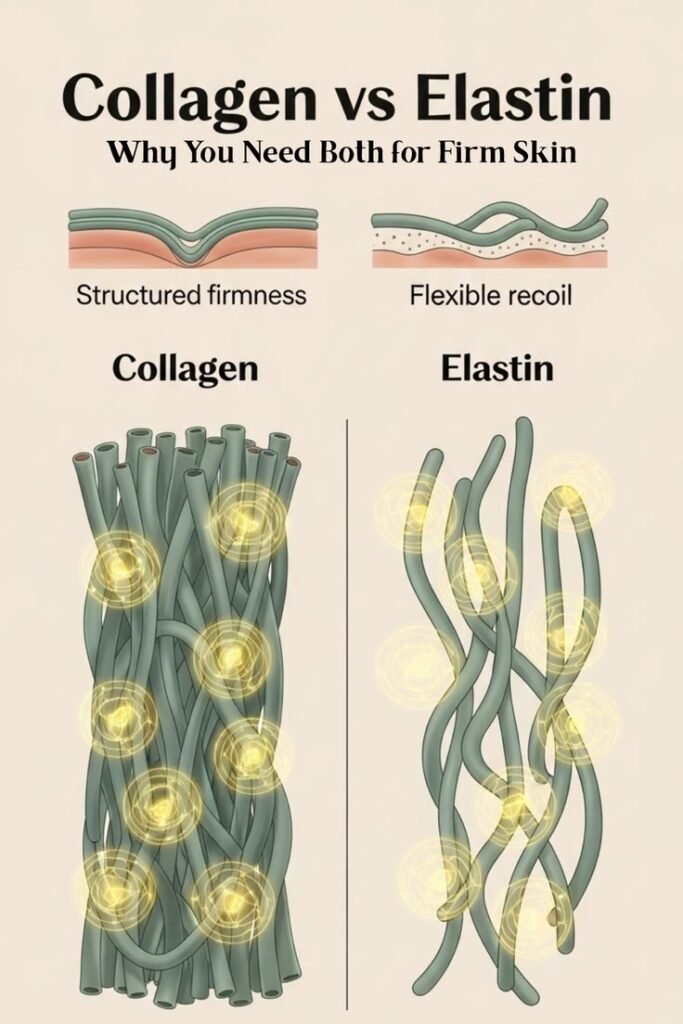
The dermis is entirely made of two vital proteins: Collagen and Elastin. Collagen gives your skin its strength and fullness, while elastin allows it to stretch and bounce back. From my 8 years of clinical experience, I can tell you that after the age of 25, our body’s natural collagen production begins to drop. This loss of structural support is what leads to fine lines, wrinkles, and sagging skin. Understanding this theory helps you realize why superficial cosmetics cannot magically fix aging; you need targeted ingredients that can actually penetrate deep enough to stimulate the dermis.
The Hypodermis: The Deep Fatty Foundation
The third and deepest layer in skin theory and layers is the Hypodermis, also called the subcutaneous tissue. This layer is primarily made up of fat cells and connective tissue. It acts as a natural cushion or shock absorber for your body, shielding your internal organs and muscles from impact. It also serves as an insulator to regulate your body temperature. In skincare terms, this layer gives your face its natural contours and volume. When we lose fat in this layer over time, our face can begin to look hollow or sunken, which changes how the layers above look on the outside.
Conclusion: Making Smarter Skincare Choices
In conclusion, understanding your skin is not about finding a magic cream; it is about respecting the complex biology of these three interconnected layers.Now that you know the basic anatomy and skin theory and layers, you are ready to make smarter choices. In my next articles, we will dive deep into specific product categories, dissecting formulas to see exactly which layer they treat. Thank you for joining me on this beautiful journey toward skin health and self-care. Stay tuned for real, science-backed insights.
“In my next articles, we will dive deep into specific skincare products, reviews, and how they interact with these layers…”
We hope this guide helped you in understanding your skin texture and layers in a much better way.”




5 Comments