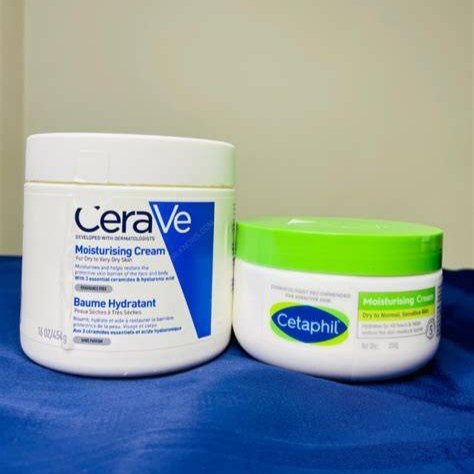
CeraVe vs Cetaphil: Which Is Better for Sensitive Skin? (2026)

Finding the right skincare products when you have easily irritated skin can feel like an endless guessing game. One wrong ingredient can trigger redness, itching, or unexpected breakouts. If you are caught in this struggle, you have likely narrowed down your choices to the two biggest drugstore giants recommended by dermatologists worldwide. But when comparing cerave vs cetaphil which is better for sensitive skin to protect your delicate skin barrier?
As a professional skin therapist, I often see clients who are confused by these two seemingly identical brands. Both claim to be gentle, fragrance-free, and perfect for compromised skin, yet their underlying formulas work very differently. In this expert comparison guide, we will dive deep into the science behind both brands, analyzing their cleansers and moisturizers so you can confidently choose the ultimate winner for your skin.
The Key Difference: Formulas and Skincare Philosophy
To truly figure out cerave vs cetaphil which is better for sensitive skin, we must look closely at their ingredients. While both brands focus on gentle, dermatologist-tested solutions, they achieve this goal using two entirely different skincare philosophies.
- The CeraVe Philosophy (Barrier Repair): CeraVe’s entire brand identity is built around Ceramides. Ceramides are natural lipids (fats) that make up over 50% of your skin barrier. CeraVe products contain three essential ceramides combined with Hyaluronic Acid and a special MultiVesicular Emulsion (MVE) technology. This technology releases moisture slowly throughout the day, focusing heavily on actively repairing and rebuilding a damaged skin barrier.
- The Cetaphil Philosophy (Minimalist Protection): Cetaphil takes a more traditional, minimalist approach. For decades, their focus has been on what they leave out rather than what they put in. Cetaphil formulas use very few ingredients to minimize any chance of allergic reactions. Their recently updated formulas include soothing ingredients like Niacinamide (Vitamin B 3), Panthenol (Pro-Vitamin B5), and Glycerin to calm redness and maintain essential hydration without overloading sensitive skin.

The Battle of Cleansers: CeraVe Hydrating vs. Cetaphil Gentle Skin Cleanser
When choosing cerave vs cetaphil which is better for sensitive skin, the face wash you use daily sets the foundation for your entire routine. Both brands offer legendary soap-free, non-foaming cleansers designed specifically not to strip away your skin’s natural oils, but they feel and perform differently:
- Cetaphil Gentle Skin Cleanser: This is a creamy, milky lotion formula that uses micellar technology to gently lift away dirt and light makeup. It is extremely soothing and can even be wiped off with a cotton pad without using water, making it excellent for ultra-dry or highly reactive skin.
- CeraVe Hydrating Facial Cleanser: This has a slightly thicker, gel-lotion texture. Because it contains three essential ceramides and hyaluronic acid, it actually infuses moisture back into the skin layers while cleansing. It leaves a light protective layer that keeps your skin feeling plump and deeply hydrated after washing.
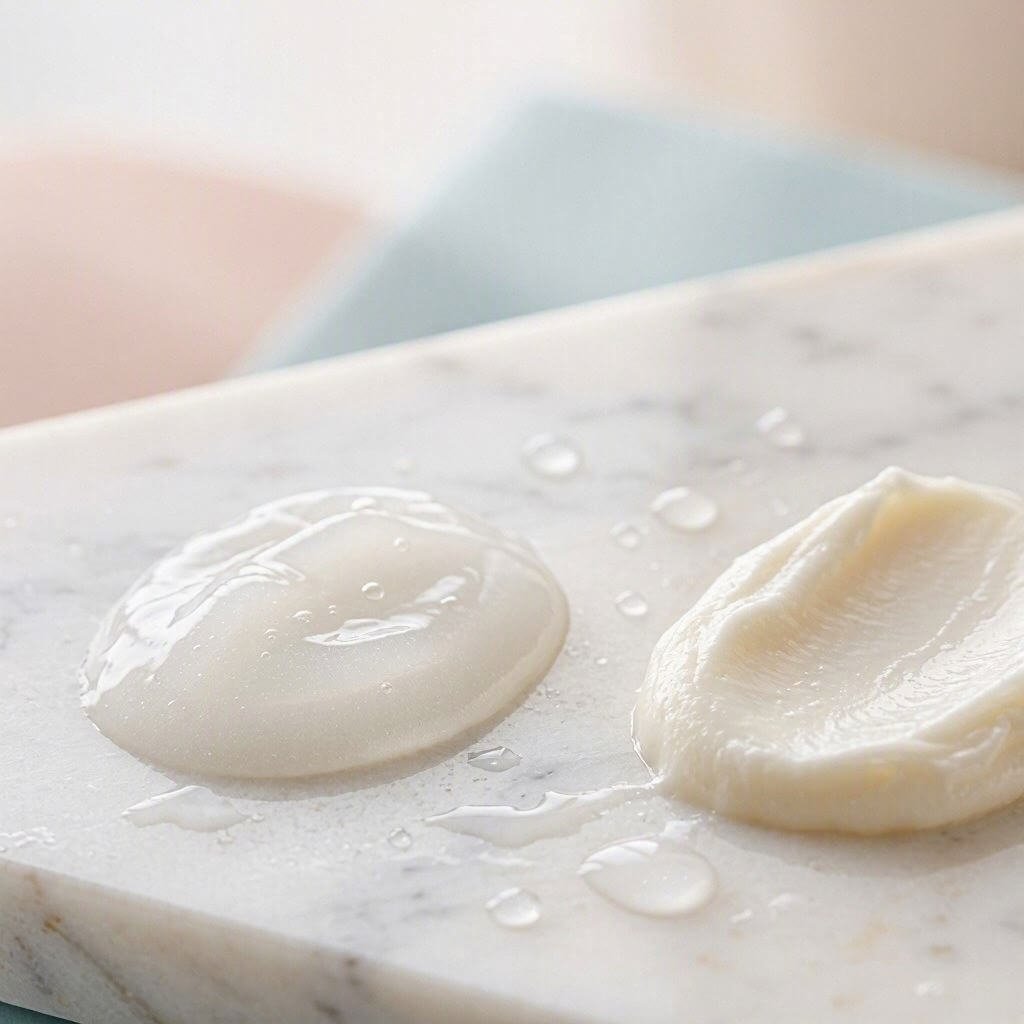
The Moisturizer Showdown: CeraVe Moisturizing Cream vs. Cetaphil Moisturizing Cream
When deciding cerave vs cetaphil which is better for sensitive skin, a deeply hydrating moisturizer is absolutely non-negotiable. Both brands are famous for their heavy-duty moisturizing creams that come in large tubs, but their textures and ingredients cater to different skin needs:
- Cetaphil Moisturizing Cream: This cream is intensely rich and formulated with Sweet Almond Oil, Vitamin E, Niacinamide, and Panthenol. It provides deep, long-lasting hydration and forms a thick protective layer over the skin. It is exceptionally good for eczema-prone, ultra-dry skin that constantly feels tight or flaky.
- CeraVe Moisturizing Cream: While it is also a rich cream, it utilizes MVE delivery technology to release its three essential ceramides and hyaluronic acid over 24 hours. The texture feels slightly more matte and absorbs quickly without leaving a greasy residue. It focuses more on repairing the barrier damage rather than just coating the skin.

Conclusion: The Skin Therapist’s Ultimate Verdict
So, when we look closely at cerave vs cetaphil which is better for sensitive skin, there is no single universal winner. Both brands are dermatologist-recommended powerhouses, but as a professional skin therapist, my final advice depends entirely on your specific skin concerns:
- Choose CeraVe if: Your skin barrier is completely broken, you are dealing with texture issues, or you have oily yet sensitive skin. The combination of three essential ceramides and hyaluronic acid actively works to rebuild your skin barrier from within, leaving a comfortable matte finish.
- Choose Cetaphil if: You have extremely dry, flaky, or eczema-prone skin that reacts to almost everything. Its updated minimalist formula provides a rich, comforting, and deeply hydrating layer of safety that calms redness instantly.
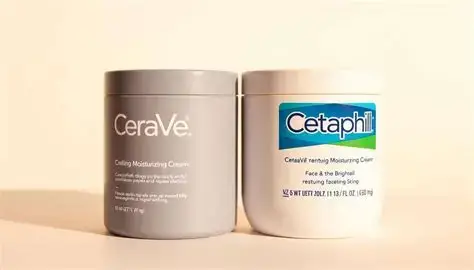
Skincare is a personal journey, and what works beautifully for one person might not work for you. Listen to your skin, start with one product at a time, and remember that consistency is the secret to a healthy, glowing complexion.
Frequently Asked Questions (FAQs)
1. Can I use CeraVe and Cetaphil products together in the same routine?
Yes, absolutely. Many dermatologists recommend mixing and matching based on your skin’s needs. For example, you can use the Cetaphil Gentle Skin Cleanser to wash your face if your skin feels reactive, and then follow up with the CeraVe Moisturizing Cream to lock in deep barrier-repairing ceramides.
2. Which brand is better if I am struggling with sensitive skin and hormonal acne?
CeraVe is generally better for acne-prone sensitive skin. This is because CeraVe products contain ceramides and hyaluronic acid that hydrate without clogging your pores (non-comedogenic). Their formulas absorb quickly, leaving a lightweight finish that doesn’t feed acne-causing bacteria.
3. Do CeraVe or Cetaphil products contain fragrances or parabens?
No. Both CeraVe and Cetaphil have formulated their core sensitive skin ranges to be completely fragrance-free, paraben-free, and hypoallergenic. This is exactly why they are widely recommended for individuals with compromised skin barriers, rosacea, or eczema.
Medical Disclaimer
The information provided on Skin Studio by Dimple is for educational and informational purposes only and should not be treated as professional medical advice. Always consult with a qualified dermatologist before introducing new active ingredients or skincare brands into your routine, especially if you have chronic skin conditions.